


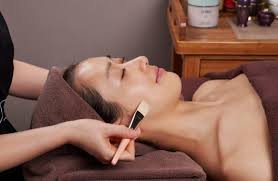
In 2026, 스웨디시 therapy is evolving beyond traditional categories. One of the most exciting trends is the fusion of Swedish relaxation techniques with Korean bodywork principles—creating unique treatments that combine ease with cultural healing wisdom. These hybrid styles are gaining popularity in wellness hubs around the world, especially in dynamic urban centers like Seoul.
What Is Fusion Swedish‑Korean Massage?
Fusion Swedish‑Korean massage blends the gentle, rhythmic strokes of Swedish massage with elements drawn from Korean therapeutic practices, such as:
-
Jin‑pyo (deep pressure techniques) — adapted from Korean acupressure patterns
-
Meridian‑inspired flow work — moving energy along defined pathways
-
Soothing herbal warm compresses — based on traditional Korean botanic blends
-
Stretch and release patterns influenced by Korean manual therapy
The result is a treatment that relaxes the muscles while also addressing deeper tension, energy blockages, and overall balance.
How It Differs from Classic Swedish Massage
Traditional Swedish massage focuses primarily on long, flowing strokes, kneading, and light pressure to increase circulation and promote relaxation. In contrast, fusion Swedish‑Korean styles typically:
-
Integrate targeted acupressure zones to release deeper tension
-
Use rhythmic patterns inspired by Korean bodywork to balance energetic flow
-
Include herbal warmth or cooling therapy for calming or invigorating effects
-
Emphasize intentional breath coordination between therapist and client
This hybrid approach remains soothing like Swedish massage but adds a restorative and holistic layer that many find especially effective after stress or physical fatigue.
Popular Elements in 2026 Fusion Styles
Meridian Flow Integration
Practitioners use light pressure along energy paths to support circulation and a sense of balance. This calms the nervous system and often enhances the relaxing effects of Swedish techniques.
Strategic Acupressure Zones
Rather than deep tissue manipulation, therapists employ gentle yet firm pressure on specific points to ease tension in a way that feels both relaxing and therapeutic.
Warm Herbal Compress Therapy
Herbal compresses—often containing ingredients like mugwort, ginger, or camellia leaf—are applied to key muscle groups. The warmth helps muscles release and complements the massage strokes.
Breath‑Synchronized Movement
Some sessions encourage clients to sync their breathing with the therapist’s rhythm, which can deepen relaxation and increase mental calm.
Benefits of Fusion Swedish‑Korean Massage
This emerging style is sought after for its balanced approach—it’s not too light but not excessively intense. Key benefits include:
-
Deep relaxation with mindful pressure
-
Improved circulation and energy flow
-
Reduced tension in muscles and fascia
-
Enhanced stress relief and mental clarity
-
A balanced blend of physical and energetic support
Many clients report feeling both physically calm and mentally refreshed—making it ideal after long workdays, intense travel, or nights of social activity.
Who It’s Best For
Fusion Swedish‑Korean massage appeals to a broad range of people, including:
-
Those who want mild but effective tension relief
-
People sensitive to deep pressure but needing more than gentle touch
-
Clients seeking holistic and culturally‑layered wellness experiences
-
Anyone curious about innovative bodywork trends in 2026
What to Expect in a Session
A typical fusion Swedish‑Korean session might include:
-
Initial Consultation – Therapist discusses your tension points and wellness goals.
-
Warm Herbal Compress Application – Optional warmth to ease muscle tightness.
-
Swedish‑Style Strokes with Meridian Focus – Relaxing long strokes guided by flow principles.
-
Gentle Acupressure Integration – Targeted release of deeper tension zones.
-
Breath Coordination – Encouraging calm and presence throughout the session.
Sessions usually last 60–90 minutes, though specialized experiences can extend longer.
Why This Trend Is Growing in 2026
Several factors are driving interest in fusion Swedish‑Korean massage:
-
Increased curiosity about cross‑cultural wellness practices
-
Rising demand for gentle yet therapeutic bodywork services
-
Wellness travelers seeking unique, destination‑based healing experiences
-
Greater awareness of mind‑body connection in recovery and relaxation
As people prioritize both physical comfort and mental balance, hybrid styles like this are setting new standards for massage therapy worldwide.
Conclusion
Fusion Swedish‑Korean massage represents a meaningful evolution in therapeutic bodywork. By combining the relaxing flow of Swedish techniques with targeted Korean therapy elements, this style offers balanced relief, energetic harmony, and deep calm—perfect for modern wellness seekers in 2026 and beyond.